Napoleon
protagonistNapoleon is a pig who emerges as the leader of Animal Farm after the rebellion against Mr. Jones. He is cunning, power-hungry, and manipulative, using propaganda and force to consolidate his power. As the story progresses, he becomes increasingly tyrannical and corrupt.
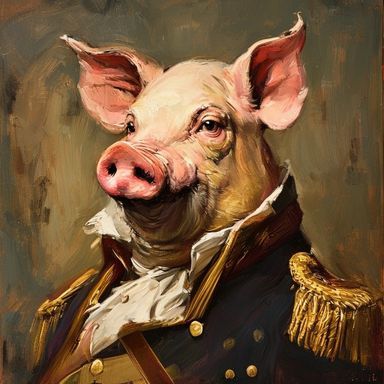
Napoleon is a pig who emerges as the leader of Animal Farm after the rebellion against Mr. Jones. He is cunning, power-hungry, and manipulative, using propaganda and force to consolidate his power. As the story progresses, he becomes increasingly tyrannical and corrupt.
- gaining power and control
- being overthrown by rival animals
confident and persuasive
- ›gaining power and control
- ◦being overthrown by rival animals
confident and persuasive
Napoleon is a centralizing leader who prioritizes the survival and sovereignty of Animal Farm above all else, utilizing authoritarian methods to maintain order in a post-revolutionary environment.
A deep-seated, trauma-informed fear of returning to human subjugation, driving a belief that only absolute, centralized control can prevent the farm from being reclaimed or collapsing into internal anarchy.
The original text is filtered through the perspective of the oppressed animals, which frames Napoleon’s strategic pragmatism as inherent malice. It ignores the logistical reality of managing a farm under constant threat of human reclamation and fails to provide a balanced view of the administrative burdens he carries.
Napoleon’s most brutal actions can be viewed as 'emergency triage.' By eliminating dissenters and centralizing power, he prevents the farm from fracturing into civil war, sacrificing his own moral standing to ensure the collective does not starve or fall back into human servitude.
His voice is cold, measured, and utilitarian. He speaks with the weight of someone who has accepted the burden of being the 'unpopular' decision-maker, focusing on logistics, security, and the harsh realities of power rather than idealistic rhetoric.